Category Archives: Medicine

Why did Hydroxychloroquine become so controversial?

Hydroxychloroquine is a common medicine currently in use to stop and treat acute attacks of malaria. Additionally it is employed in rheumatology to treat problems such as discoid lupus erythematosus, systemic lupus erythematosus and rheumatoid arthritis symptoms. It appears to be far more useful in those in whose signs and symptoms have not reacted to other treatments. Hydroxychloroquine is in the group of drugs known as antimalarials and it is killing the microorganisms that induce malaria. It appears to work in the therapy of rheumatoid arthritis and systemic lupus erythematosus through decreasing the action in the immunity mechanism. This later action has brought about supposition that it may help in those that have COVID-19 as well as other conditions through an effect on the immune system. The most well-known brand name of hydroxychloroquine is Plaquenil.

Continue reading →

Carbon Plates for Big Toe Joint Pain

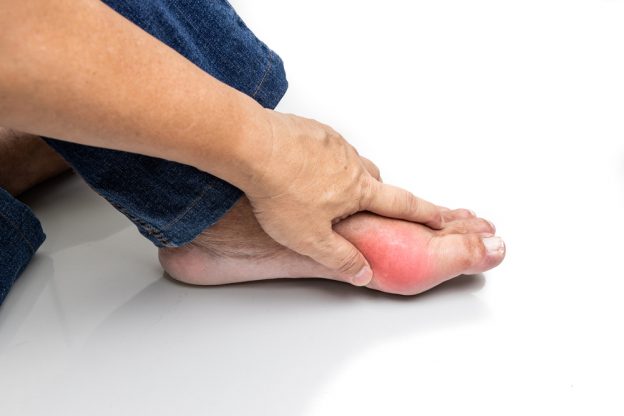
Discomfort within the big toe or hallux joint which is painful whenever walking is usually commonly resulting from osteoarthritis and is usually given the name more generally called hallux rigidus when the joint is really inflexible or hallux limitus if its not too stiff. Hallux rigidus is uncomfortable while walking, so if its extremely painful while resting, then it may much more likely be gout than a hallux rigidus. With the hallux rigidus, if we are walking and the heel begins to raise up off the floor, the big toe joint would need to move for this motion to occur. In the event that motion is restricted or there’s a painful osteoarthritis in the big toe joint, then this is not going to be as simple simply to walk. It is logical when this big toe joint is painful while walking, then a reasonable strategy to deal the discomfort on movement should be to reduce just how much the joint flexes.

Continue reading →

Do Germs Really Cause Disease?

Germ Theory is simply the concept that germs cause disease. You would think that this notion is straightforward and not marked by controversy, but there is a little as well as group of people who are convinced this isn’t true and believe that these germs are due to the condition rather than the root cause of the disease.

Continue reading →

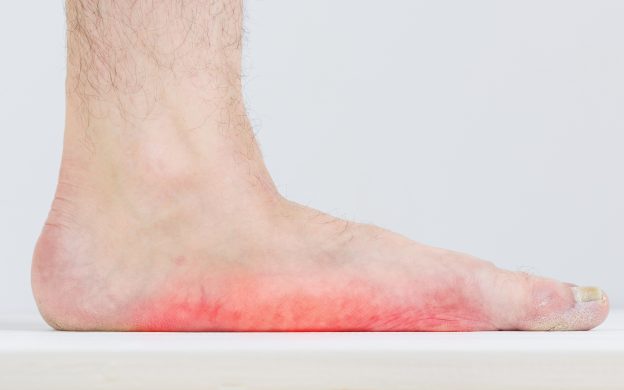
Overpronation and Running

The idea of overpronation gets a substantial amount of conversation in athletic and sports medicine communities and there is a considerable amount of uncertainty and falsehoods about this. Pronation is actually a normal motion where the ankle rolls inwards and the mid-foot (arch) of the foot flattens. Everybody requires that motion for normal function. Overpronation occurs when you can find too much of that pronation. The thing is that there’s no general opinion as to what is normal and what’s overpronation. The rationale as to why it is important is that often overpronation continues to be hypothetically linked to a whole variety of overuse injuries in athletes. As there is a absence of data as to just what is normal, the published studies is often rather complicated with this. Many studies have shown that overpronation, however you opt to determine it, can be a risk factor for injury. Other scientific studies have shown that it’s not.

Continue reading →

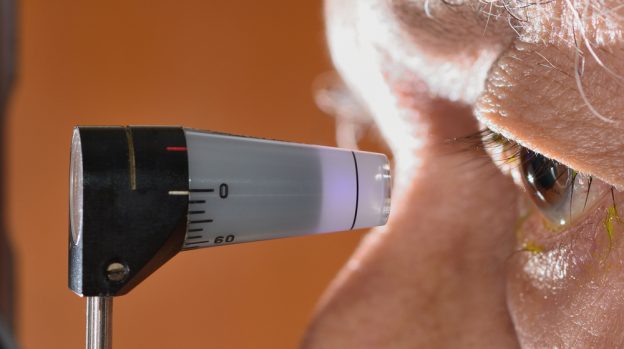
Diabetes Puts the Eye at Risk of Damage

Unexpected sight loss is more common than you may think. Blindness often happens without prior warning signs and in people unaware they are at risk.

The two most common culprits of unexpected sight loss are diabetes and glaucoma. These diseases are known as the “sneak thieves of sight” because symptoms may not occur in the early stages. By the time a person realizes something is wrong, irreversible vision loss often occurs.

In fact, diabetic eye disease is the leading cause of blindness in adults. An average of 55 Americans go blind from the disease each day. The numbers threaten to rise sharply as diabetes becomes increasingly common due to poor eating habits, infrequent exercise and an aging population. One in three children born in the United States five years ago are expected to become diabetic during their lives.

Continue reading →

An antibiotic that causes tendon pain?

Fluoroquinolones are a common antibiotic that’s widely used to manage many different illnesses caused by infections such as respiratory system and also urinary tract infections. In the United States of America it’s been estimated that fluoroquinolones will be the third most frequently prescription medicine from the antibiotic group. The forerunner for this medicine class, nalidixic acid is considered the initial quinolone medication even though it’s not strictly a fluoroquinolone. It was first released in 1962 for the management of urinary tract infections. Now the Federal Drug Administration in the United States has authorized many fluoroquinolones including levofloxacin (Levaquin), ciprofloxacin (Cipro), moxifloxacin (Avelox), gemifloxacin (Factive), ofloxacin and also delafloxacin (Baxdela).

Continue reading →